Your School’s Open House Was Full. How Many Families Applied?
Measure your school’s open-house conversion rate, match attending families to submitted applications, and decide what to change before your next event.
Smiling man wearing a pink and blue plaid shirt sitting indoors with a glass window showing a blurred cityscape background. Founder and Director of WonderMaple Strategy, Jenkin Tse
Jenkin Tse
Director, WonderMaple Strategy
Jenkin has spent years working directly with parents and students across domestic and international education consulting, building recruitment and AI-powered digital growth systems that have helped thousands of families navigate their school choices. He now works with schools and institutions - from K-12 and higher education to learning centres and EdTech platforms - to rebuild how they attract and retain students in an increasingly competitive, AI-driven market. His writing draws from real projects and real results, with the goal of giving school leaders practical strategies they can use.
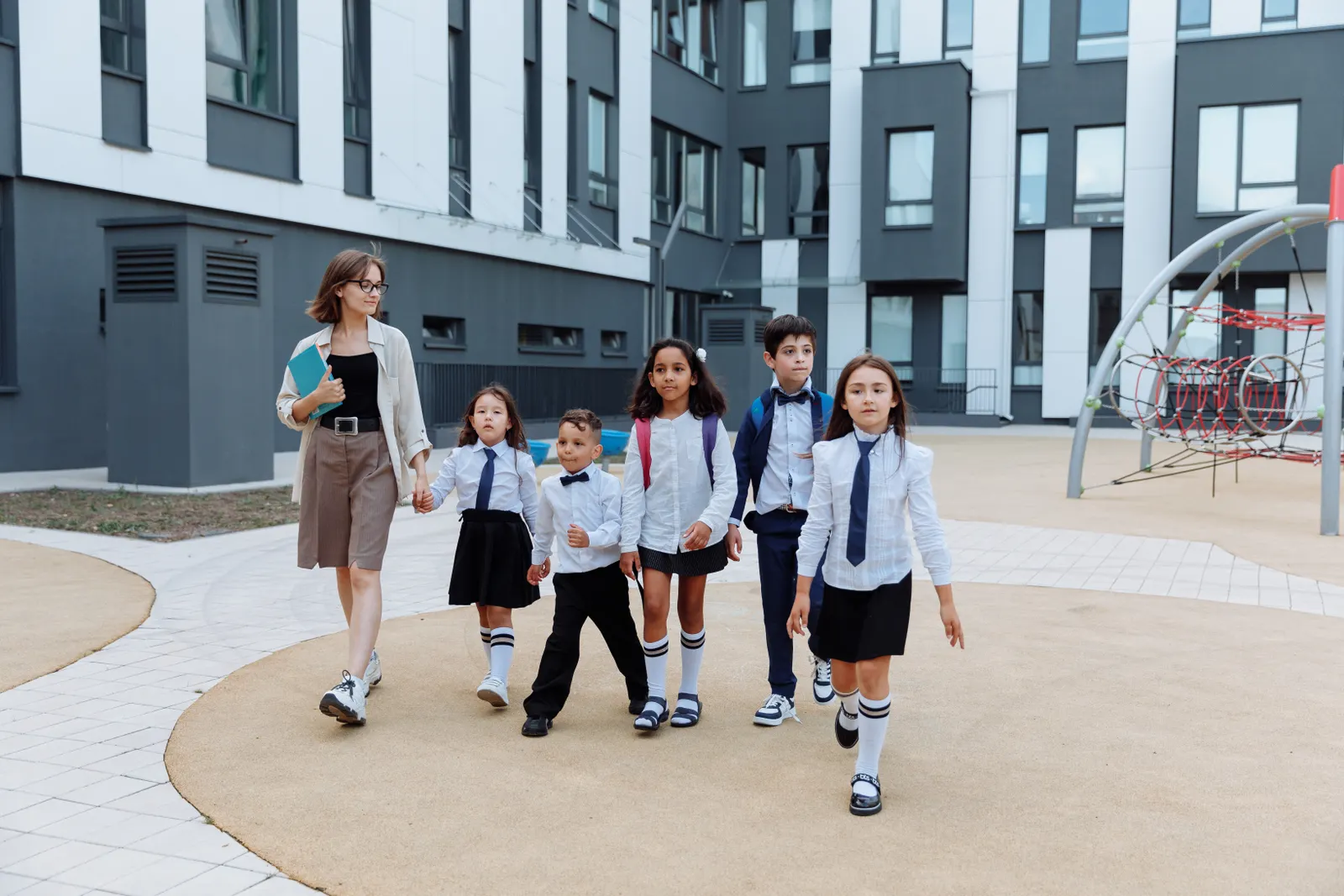
A teacher leads students along a school campus walkway.

Your School’s Open House Was Full. How Many Families Applied?

On Saturday, staff brought extra chairs into the gym. On Monday, the head of school wants to know whether to book a bigger room for spring. Before you reserve it, ask admissions for one number: how many families who attended went on to submit an application?

To measure your school’s open-house conversion rate, divide the number of attending families who submitted their first application for that intake after the event by the number of attending families who had yet to apply when they arrived. Use a fixed follow-up window. If nine of 60 eligible families applied within 30 days, your rate was 15%. Here’s how to get a number you can defend, and what it can tell you about your next recruitment dollar.

Who belongs in the open-house count?

Start with the check-in list. Two parents and a child who took the same tour count as one family. A family that walked in without registering belongs on the list. Someone who registered and stayed home belongs in your no-show follow-up. If a family visited twice, count it once in the intake total. Record both visits so two events don’t each get full credit for the same application.

Give admissions and marketing the same definition of “applied”: the school received a submitted application for the intended entry year. Agree on the unit, too. A family applying for two siblings counts once in a family conversion rate. Keep a separate student count for seat planning.

Families who had already submitted before the visit are worth tracking separately. They came with a different decision to make. For that group, a useful follow-up question is how many accepted an offer or paid a deposit after attending.

What does a full open house look like in the numbers?

Imagine 90 families registered and 72 checked in. Twelve of those 72 had already applied. Of the remaining 60, assume none had started an application before the visit. Within 30 days, 18 started and nine submitted. Here is the report those figures support:

  • Show-up rate: 72 ÷ 90 = 80%. In this example, all attendees had registered. If you had walk-ins, count them separately when calculating the share of registrants who showed up.
  • Attendance to application start: 18 ÷ 60 = 30%. This tells you how many eligible families took the first application step.
  • Start to submission: 9 ÷ 18 = 50%. Nine starters had an unfinished application at the 30-day mark.
  • Attendance to submitted application: 9 ÷ 60 = 15%. This is the figure to put beside the attendance total in the board report.

Those are illustrative figures. An open house in September and one held a week before the application deadline give families different reasons to act quickly. Compare events for the same entry year, at similar points in the cycle and after the same number of days. Keep both counts alongside the percentage, especially for a small intake.

Suggested Reading: 5 Ways to use Data To Improve Your School's Enrolment

How can admissions match attendees to applications?

One spreadsheet can do the job. Give each attending family one row with its admissions record ID, intended entry year, event date, attendance status, application stage at check-in, start date and submission date. Match using the family’s existing admissions record. If a parent registered with a personal email and applied with a work email, have a staff member check the match. Mark unresolved records as unknown so they don’t quietly become non-applicants.

Take a snapshot at check-in. A family with an application already in progress can count towards a new submission after the visit, but it cannot count as a new start. Set a reporting date, such as 30 days after the event, and check again at the application deadline to capture later decisions.

If you use admissions software, check what its dashboard actually counts. OpenApply, for example, reports open-day RSVPs and monthly enquiry-to-application conversions. Those totals answer different questions. To answer yours, follow the specific families who attended through to submission. OpenApply’s guide to dashboard analytics

What should you change before the next event?

If families attend but few start, look at the last five minutes of the tour. Ask a colleague to follow the instructions a parent heard. Can they reach the correct application for their child’s entry year on a phone? If the guide sends families to the homepage and leaves them to find admissions again, give the next tour group a direct link and a named contact for questions.

If families start but don’t submit, inspect the step where they stop. In the example, nine families got as far as opening an application. Before paying for more traffic, ask two or three of them what held them up. If a reference is the sticking point, the admissions team could explain who may provide it and whether it must arrive before the family submits. Check whether the same problem recurs at the next event.

Suggested Reading: 7 Private School Biggest Admissions Funnel Leaks to Fix

If attending families submit at a healthy rate for your school but seats remain open, look upstream. Compare invitations, registrations and check-ins for the entry grades where you have space. A packed general tour can hide an empty Grade 9 session. That finding supports a targeted invitation to Grade 9 families before it supports a bigger venue.

Suggested Reading: How Do Schools Build a Winning Email Strategy for Enrolment?

What should the head of school hear on Monday?

On the Monday after the event, report attendance and name the date you will report applications. At the 30-day meeting, one sentence is enough: “We welcomed 72 families, 60 had yet to apply, and nine of those submitted within 30 days. Nine more started. Admissions will contact those families about the unfinished step before we set the spring promotion budget.”

That wording matters. It tells the board what happened after the visit. It leaves open whether those families would have applied anyway. Use the result to choose the next question your team can answer.

If your event check-in list sits with marketing and your applications sit with admissions, bring the two totals to a conversation about your next open house. WonderMaple Strategy’s private school marketing work connects recruitment campaigns with admissions follow-up. Book a free school marketing audit to review where your team loses track of families between the tour and the application.

Weekly newsletter
No spam. Just the latest releases and tips, & interesting articles in your inbox every week.
Thank you! Your submission has been received!
Oops! Something went wrong while submitting the form.

Build a Stronger Student Recruitment System

Get a free school recruitment audit to identify gaps in your enquiry journey and prioritise improvements.


Book Your Free Audit →
arrow-icon
Get a Brochure
arrow-icon

Learning Resources

Explore a collection of free blog, eBooks, and more — all created to help your institution build the best recruitment engine like never before.
A teacher leads students along a school campus walkway.

Your School’s Open House Was Full. How Many Families Applied?

Measure your school’s open-house conversion rate, match attending families to submitted applications, and decide what to change before your next event.

The Enrollment Cliff Has Arrived. Here's the Math Every School Should Run.

The US demographic cliff arrived this year: high-school graduates peaked in 2025 and fall 13% through 2041, while private-school enrolment holds flat only through an affordability squeeze. Here is what the data says and the math every school should run.

Australia's Student-Visa Refusals Hit a 10-Year High: What It Means for Recruitment

Australia's student-visa refusal rate has climbed to 24.2%, a ten-year high, with sharp differences by source market. Here is what the verified data shows and what schools and counsellors should do before families pay deposits.

Google Ads for Schools Is Changing: What the Move to Demand Gen Means in 2026

Google is retiring standalone Display campaigns and moving schools to AI-powered Demand Gen. Here is what is changing, the timeline, and how schools should adapt their advertising, creative, and first-party data to keep inquiries coming.

How Do You Shape the Best School Digital Experience in 2026?

Your school's digital experience is your first impression in 2026 - from Google and AI answers to your website and enrolment forms. Here is how to shape one that turns visitors into enrolled families, and how WonderMaple Strategy helps schools build it.

How School's Enrolment Emails Are Read by AI First?

Gmail's AI Inbox and Outlook Copilot now summarise, filter, and reprioritise school emails before families open them. Here is what admissions and marketing teams need to know and what to rewrite to stay visible in an AI-mediated inbox world.

Why Admissions Details in PDFs Is Invisible to Families and AI Search

Tuition fees, application deadlines, entry requirements, and scholarship details buried in PDFs and portals are invisible to AI search and hard for families to find. Here is what to move onto crawlable pages, and how to audit what is currently hidden.

Korea Is Building Talent Brand Beyond K-Pop. What it means to You?

South Korea just hit its 300,000 international student target two years early and launched new talent and "workation" visas. Here's what changed, how it compares to Australia, Canada, New Zealand and the US, and what schools should do about it.

Why does your School's Digital Advertising Fail to Convert?

Most schools running paid ads are not losing families because of bad creative or a tight budget. They are losing them because the keyword, the ad copy, the landing page, and the call to action are all pulling in slightly different directions. Here is how to close that gap before your next campaign goes live.

Case Study - K-12 Pitch being Undermined by Digital Presence

A composite case study built from patterns we see across the private school audits we run. Here is how a strong academic story, including a real AI and STEM focus, can still fail to convert online once SEO, social media, testimonials, and photography are out of alignment.

Why is Peer-Generated Content the Most Trusted Voice for Schools?

Families and students no longer decide where to enrol based on brochures and viewbooks alone. Here is why peer-generated content now carries more weight than institutional marketing for both high schools and universities recruiting internationally in 2026.
No items found.

How Do Schools Choose a Website Platform in 2026?

Many school websites are still running on platforms built years ago for a different internet. Here is why general CMS platforms such as Webflow are becoming the smarter choice for schools rebuilding their site in 2026, and what to look for before you sign another contract.

5 Top Instagram Schools Marketing Strategies in 2026

Instagram changed in 2026. The algorithm now rewards shareable content over likeable posts. Here are five strategies built around Meta's latest updates that every school marketing team should know.
man walking in college corridor

Why LinkedIn Is Most Underused Social Media for HigherEd

Schools focus on Meta and TikTok but overlook the platform where graduate students quietly make their enrolment decisions. Here is why LinkedIn is different.

The Reasons Why More Leads Won't Fix Enrolment in 2026

More advertising is usually not the answer to low enrolment. Here is how to diagnose whether your school has a marketing problem or a conversion problem.
young man skiing on the snow

Top Tips To Build Student Confidence & How to Convert Them

New research of 2,800+ students reveals what actually builds confidence and converts enrolment in the AI age. The answers may surprise your admissions team.

Why do Agency Partners Matter More in AI World?

AI has made school information unlimited. Here are 3 reasons the best education agents are more valuable than ever for schools serious about enrolment.

Why does AI already Formed an Opinion About Your School?

Before a student books a campus tour, AI has already described your school. Here is what high schools and universities need to do about it.

How to Get Your School Found in AI Search on ChatGPT?

46% of students now use AI to research school options. Here is how to make your institution visible in ChatGPT, Perplexity, and Google AI Overviews.
Man and Dog. WonderMaple Strategy Education Marketing Agency for Schools, K-12 & Higher Ed

An Ultimate Step-by-Step SEO Guide for Private Schools

Learn how private school SEO works, from keyword research to local search and content that drives more enrolment inquiries to your admissions page.
No items found.
2 girls studying in Library. WonderMaple Strategy Education Marketing Agency for Schools, K-12 & Higher Ed

How Do Schools Build a Winning Email Strategy for Enrolment?

A step-by-step email marketing guide for schools. Build campaigns that move prospective families from first inquiry to enrolled student.
young man in city. WonderMaple Strategy Education Marketing Agency for Schools, K-12 & Higher Ed

How to Write School Newsletters that Parents Read in 2026?

Most school newsletters go unread. Here is how to write school email newsletters that parents actually open, engage with, and act on.
young woman in exhibition. WonderMaple Strategy Education Marketing Agency for Schools, K-12 & Higher Ed

What are the Top Reasons for Parents to Default to Familiar Schools?

Status quo bias leads parents to choose familiar schools over better options. Here is what private schools can do to overcome it and win enrolment.
young man playing basketball. WonderMaple Strategy Education Marketing Agency for Schools, K-12 & Higher Ed

5 Ways to use Data To Improve Your School's Enrolment

Most schools are sitting on enrolment data they are not using. Here are five ways to turn your numbers into more enrolled students.
youngman using wechat in front of computer

A Simple Guide to Market Your School on WeChat in Chinese

WeChat is where Chinese families research schools abroad. Here is how Western schools can start reaching international students through the platform.
3 young woman in black dancing. WonderMaple Strategy Education Marketing Agency for Schools, K-12 & Higher Ed

How do AI Chatbots Get Leads for Your College's Websites?

AI chatbots can generate school leads around the clock. Here is what makes a school chatbot genuinely work and what most admissions teams get wrong.
young college girl in market. WonderMaple Strategy Education Marketing Agency for Schools, K-12 & Higher Ed

A Story of Sugar: From India to Social Service in Canada

How Sugar navigated international student recruitment to study social service in Canada, and what her journey reveals about the choices families make.
young man studying in library. WonderMaple Strategy Education Marketing Agency for Schools, K-12 & Higher Ed

7 Private School Biggest Admissions Funnel Leaks to Fix

Private schools lose enrolment through seven invisible admissions funnel gaps. Here is how to find and fix the leaks before they cost you another cohort.
a group of college students doing group projects. WonderMaple Strategy Education Marketing Agency for Schools, K-12 & Higher Ed

WonderMaple Strategy: Our Story in Helping Schools Win in AI Era

WonderMaple was built on recruiting over 2,500 students. Here is how that experience shaped a school marketing agency built for the AI era.

young student studying in classroom. WonderMaple Strategy Education Marketing Agency for Schools, K-12 & Higher Ed

School Marketers: Stop Selling Features. Show Student Readiness

Graduate unemployment is rising. Here is how school marketing needs to shift from selling features to showing student outcomes to win enrolments in 2026.
young canadian woman doing homework in her room.

Why Some Online Virtual Schools Are Invisible in the AI Era?

AI tools recommend schools based on content depth. Virtual schools with thin websites go unmentioned. Here is how to build a stronger digital footprint.
a man in pink shirt. WonderMaple Strategy Education Marketing Agency for Schools, K-12 & Higher Ed

Our Lessons From Recruiting 2,500 Students All Over The World

What recruiting 2,500 international students taught us about enrolment strategy, school digital marketing, and what actually converts families.
a group of primary school kids listening to stories. WonderMaple Strategy Education Marketing Agency for Schools, K-12 & Higher Ed

Why Clarity Is Your School's Biggest Competitive Advantage?

Parents compare schools with dozens of tabs open. The schools with the clearest messaging win the shortlist. Here is how to sharpen your positioning.
young girl attending private tutorial. WonderMaple Strategy Education Marketing Agency for Schools, K-12 & Higher Ed

How will AI Replace Your School's Admission Team?

AI will not replace your school admissions team, but it will change how the team works. Here is what every school leader needs to understand.
private college in a castle. WonderMaple Strategy Education Marketing Agency for Schools, K-12 & Higher Ed

How Do Parents Choose a Private School Online in 2026?

The school selection process has changed. Here is how parents research and shortlist schools online in 2026 and what it means for your admissions strategy.
group of students attending classes. WonderMaple Strategy Education Marketing Agency for Schools, K-12 & Higher Ed

Why High-Achieving Schools Struggle to Fill Seats in 2026?

Academic excellence no longer fills seats. Here is why high-achieving private schools still struggle with enrolment and what the real deciding factor is.

1 star google review. WonderMaple Strategy Education Marketing Agency for Schools, K-12 & Higher Ed

The End of Google Reviews for K-12 Schools

Google removed all reviews for K-12 schools. Here is what this means for your school reputation management and enrolment marketing strategy.
2 high schools students, one girl and one boy doing experiment. WonderMaple Strategy Education Marketing Agency for Schools, K-12 & Higher Ed

The 3 Admissions Failures that are Costing Private Colleges

Private colleges rarely lose students over weak programmes. They lose them to broken admissions infrastructure. Here are the three failures to fix first.